We independently review everything we recommend. When you buy through our links, we may earn a commission. As an Amazon Associate we earn from qualifying purchases.
5 Best Plastic Playhouses for Backyards (November 2026)
Compare the best plastic playhouses for backyards: five Step2 and Little Tikes cottages with dimensions, age ranges, and features to match your yard.
Compare the best plastic playhouses for backyards: five Step2 and Little Tikes cottages with dimensions, age ranges, and features to match your yard.
A backyard playhouse is one of the few outdoor toys that gets used almost every day, so the real decision is not which one looks cutest in a photo. It is which size fits the patch of lawn you actually have, which age range matches your kids right now, and which walls will still look decent after a summer of sun and a winter of rain. Pick wrong and the house either crowds the yard, gets outgrown in a season, or sits empty because the door is too small for two kids at once.
This guide is for parents and grandparents setting up a first backyard play space, and for families replacing a worn wooden house with something lighter that never needs painting. Every cottage below was chosen from names and specifications on its Amazon product page, with real dimensions, age ranges, and features, so you can match a house to your yard instead of guessing.
Quick Picks
As an Amazon Associate we earn from qualifying purchases
Product
Best for
Key spec from title
Step2 Neat & Tidy Cottage
First playhouse for toddlers
53.25 x 33.75 x 49.75 inches
Little Tikes Cape Cottage
Small yards and easy moving
32 lb, 42.8 x 35 x 49 inches
Step2 Charming Cottage
Older kids and group play
50.13 x 58.75 x 58 inches
Step2 StoryBook Cottage
Kitchen role play and big yards
64.25 x 55 x 50.5 inches
Step2 Toddler Corner House
Tight corners and youngest toddlers
41.75 x 31.63 x 32.75 inches
How to Choose
Measure the footprint before you fall in love
A playhouse footprint is easy to underestimate because the listing photo shows it on a wide lawn with nothing beside it. Measure the exact spot where it will stand, then add at least a foot of clear space on the door side so kids can step out without landing in a flower bed, and a foot on the sides so you can walk around it to clean the panels. The smallest house here is about 42 inches wide and the largest about 59, and that gap decides whether the house fits on a patio or needs a corner of the lawn. Height matters too: the tallest cottage here stands over 64 inches.
Match the age range to your kids today
Every playhouse lists a minimum age and a maximum age, and both numbers matter. A house rated from 12 months has low doorways and small steps that suit a toddler, but a tall six-year-old will duck through the same door and lose interest fast. A house rated up to 10 years has taller walls and a roomier interior, yet its doorbell and phone buttons sit high for a two-year-old. Look at the maximum age first if you want the house to last more than one summer, and look at the minimum age first if you are buying for a child under two. The five cottages here span 12 months to 10 years.
Check the wall build and how it handles weather
Plastic playhouses earn their keep by never needing paint, stain, or sealing, but not every plastic shell behaves the same in weather. Double-walled panels resist dents and flex less in wind than single thin walls, and they also feel sturdier when kids lean on them. A molded-in floor keeps feet off wet grass and stops toys from rolling out onto the lawn, while open-bottom houses let rain drain through and dry faster. Lightweight houses under 35 pounds are easy to move into a garage for winter, yet the same lightness means a strong gust can shift them, so check whether the base has stake points or room for sandbags.
Weigh features against assembly time
Doorbell sounds, play phones, kitchen sinks, and ball mazes are the features kids actually touch every day, while a fireplace decal or a flower box is mostly decoration. Count the features kids actually touch before you count the decorative ones. A kitchen sink gets used in every pretend meal, but a second window only matters if two kids play house at once. Assembly is the other half of the trade: snap-together panels with a few screws take under an hour, while large cottages with many panels and decals can take two adults most of an afternoon. If you dread assembly, a smaller house with fewer parts is the smarter buy.
The 5 Best Options
Step2 Neat & Tidy Cottage
Top Pick
Step2 Neat & Tidy Cottage
Best for: A first backyard playhouse for a toddler from 18 months up.
Assembled dimensions: 53.25 x 33.75 x 49.75 inches
The Neat & Tidy Cottage is the natural first playhouse for a toddler, because it is rated from 18 months and packs a full set of pretend-play features into a mid-size shell. A working doorbell, a Dutch-style door, a molded-in sink, a fireplace, a skylight, and shelves give a small child plenty to explore without needing a huge yard. The double-walled plastic holds up to sun and rain, and the neutral grey palette with stacked-stone detail blends into a garden far better than bright primary colors.
Watch out for: Stock was not directly verified on the product page, so confirm it is in stock before ordering.
Little Tikes Cape Cottage
Runner-Up
Little Tikes Cape Cottage
Best for: Small yards, patios, and families who want to move the house around.
Assembled dimensions: 42.8 x 35 x 49 inches
Item weight: 32 lb
Age range: 2 years and up
Features: working door, 2 windows with working shutters, mail slot, flag holder (flag not included)
The Cape Cottage is the lightest real playhouse in this guide, and that lightness is its whole point. At 32 pounds it is light enough for one adult to carry across the lawn, drag into a garage for winter, or set up on a patio for the season. A working door, two windows with working shutters, a mail slot, and a flag holder give kids the classic cottage experience, and the snap-together panels go up with basic tools in well under an hour. It is the best pick when the yard is small or the house needs to move.
Watch out for: At 32 pounds it can shift in strong wind, so anchor it or weigh the base down on gusty days.
Step2 Charming Cottage
Step2 Charming Cottage
Best for: Older kids and group play in a larger yard.
The Charming Cottage is the clubhouse of this group, built for several kids playing together and for children who will keep using it for years. It stands 58 inches tall with a wide open interior, six windows, a Dutch door, a working doorbell, a fireplace, a skylight, and a built-in table, so two or three kids can play house without crowding each other. The realistic stonework and faux wood siding look like a small house rather than a toy, and the weather-resistant plastic needs no painting or sealing. It is the pick to buy when you have the space and want the house to last.
Watch out for: At about 80 pounds it is the heaviest house here, so plan the final spot before assembly because moving it later takes two adults.
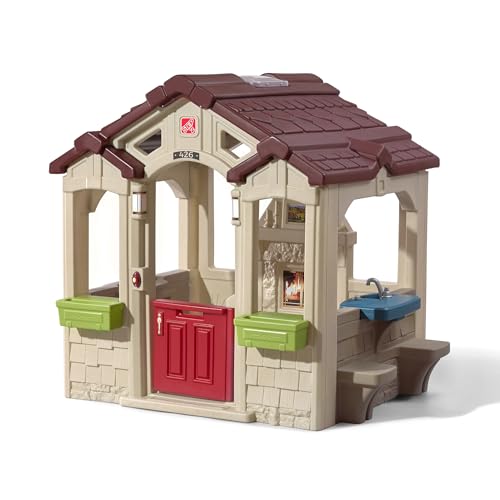
Step2 StoryBook Cottage
Step2 StoryBook Cottage
Best for: Kitchen role play and large yards where the house anchors the play area.
Assembled dimensions: 64.25 x 55 x 50.5 inches
Material: plastic, double-walled construction
Age range: 1.5 years and up
Features: pretend kitchen with sink, fireplace, fold-up table, working doorbell, play phone, windows, storage
The StoryBook Cottage is the tallest house in this guide and the strongest choice for kitchen-centered role play. A pretend sink, a fireplace, a fold-up table, a working doorbell, and a play phone fill the interior with things to do, and the open layout leaves room for a small table and chairs inside. Double-walled plastic keeps the colors from chipping, fading, cracking, or peeling, and the large footprint suits a big lawn where the house can anchor a whole play area. It is the pick for families who want one big house rather than a house plus separate toys.
Watch out for: The buy box did not show a clear in-stock line in the latest listing check, so confirm availability before ordering.
Step2 Toddler Corner House
Step2 Toddler Corner House
Best for: Tight corners, patios, and toddlers from 12 months up.
Assembled dimensions: 41.75 x 31.63 x 32.75 inches
The Toddler Corner House is the only pick designed for a corner, and that shape is exactly why it works in tight spaces. It tucks against a fence or a patio wall, leaving the middle of the yard free, while a ball maze, a pretend kitchen, spinning gears, and a 15-piece accessory set keep a young toddler busy. It is rated from 12 months, the youngest minimum age in this guide, so it suits the smallest players. The compact shell is easy to clean with wipes, and the double-walled plastic stands up to daily use indoors or out.
Watch out for: The 4-year age ceiling is the lowest here, so a fast-growing child may outgrow it sooner than the larger cottages.
Which One Fits Your Situation
Your yard is small or mostly patio
Pick the Little Tikes Cape Cottage. Its 42.8-inch width and 32-pound weight make it the easiest house to place on a patio or a narrow strip of lawn, and one adult can move it when the space needs to change. The working door, shutters, and mail slot still give kids a real cottage feel without taking over the yard.
You are buying for a toddler under two
Pick the Step2 Toddler Corner House if your child is between 12 and 18 months, or the Step2 Neat & Tidy Cottage from 18 months up. Both have low doorways, simple features, and sensory play built in, and the corner house tucks out of the way while the Neat & Tidy Cottage offers a fuller house with a sink and a phone.
Several kids will play together, including older ones
Pick the Step2 Charming Cottage. Its 58-inch height, six windows, and open interior give two or three kids room to play at once, and the age range runs to 10 years, so it stays useful long after the smaller houses are outgrown. Just set the final spot first, because it is heavy to move once built.
You want kitchen play to be the main event
Pick the Step2 StoryBook Cottage. The pretend sink, fold-up table, fireplace, and play phone turn the whole house into a kitchen and living room in one, and the tall 64-inch shell leaves room for chairs and a small table inside. It needs the biggest patch of lawn, so measure first.
Common Mistakes
Buying the house before measuring the spot, then finding the door opens into a fence or a flower bed
Ignoring the maximum age, so a tall child outgrows the house within a single summer
Skipping anchors or weights on a lightweight house, then finding it shifted across the lawn after a storm
Setting the house on uneven ground, which makes doors stick and panels flex
Treating the playhouse as waterproof storage and leaving cushions, books, or soft toys inside in the rain
Frequently Asked Questions
Can a plastic playhouse stay outside all year?
Yes, in most climates. Double-walled plastic does not rot, splinter, or need sealing, and it handles rain and sun far better than wood. In very windy areas, anchor the house or weigh the base down, and in freezing winters, move a lightweight house into a garage if you can. Bring soft toys and cushions inside, since the house itself is not a sealed shed.
What age is right for a first playhouse?
A first playhouse works from about 12 to 18 months, when a child can walk through a doorway and push a ball through a maze. The Toddler Corner House starts at 12 months, and the Neat & Tidy Cottage starts at 18 months. Check the minimum age on the listing, and also check the maximum age so the house lasts more than one season.
Do I need to anchor a plastic playhouse?
Lightweight houses under about 35 pounds should be anchored or weighed down in exposed yards, because a strong gust can shift them. Heavier houses over 70 pounds usually stay put on flat ground. Check the base for stake points, and use sandbags or ground anchors if the yard is open to wind.
How do I clean a plastic playhouse?
Wipe the panels with disinfectant wipes or a household cleaner and rinse with a hose. Double-walled plastic does not absorb dirt, so most mud and pollen come off with a damp cloth. Avoid abrasive scrubbers that can dull the finish, and let the interior dry fully before putting toys back inside.
M
Melu Editorial Team
We compare specs, materials and verified owner reviews before a product earns a spot. Rankings are never paid.
Affiliate disclosure. As an Amazon Associate we earn from qualifying purchases at no extra cost to you. Prices accurate as of the date shown.
Compare five binoculars for glasses wearers, from long eye relief models to an eyeglass-friendly pair, and match eye relief, size, and use to your needs.
Looking for the best 1000 watt ebike? We compare five 1000W-peak electric bikes on motor, battery, range, gears and brakes to help you pick the right one.
Compare electric concrete cut-off saws by cut depth, blade size, motor power and dust control, and find the right saw for slabs, pavers and block work.


 Step2 StoryBook Cottage
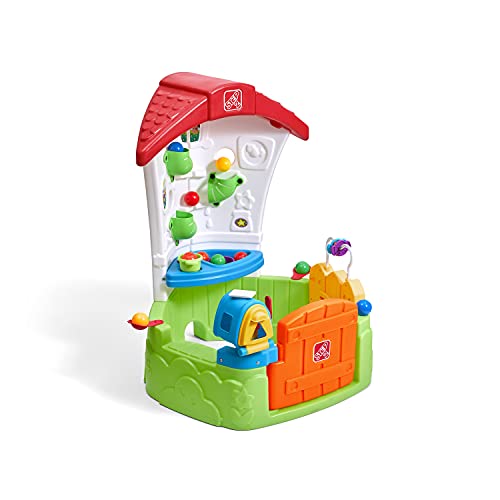 Step2 Toddler Corner House