We independently review everything we recommend. When you buy through our links, we may earn a commission. As an Amazon Associate we earn from qualifying purchases.
5 Best Ceramic Coatings for Trucks (November 2026)
Five ceramic coatings for trucks compared by format, bottle size and listed surfaces, from quick SiO2 sprays to bottled quartz and graphene kits.
Five ceramic coatings for trucks compared by format, bottle size and listed surfaces, from quick SiO2 sprays to bottled quartz and graphene kits.
A pickup is not just a bigger car when it comes to paint protection. The hood sits tall and flat, the bed sides catch gravel spray and sun for their whole length, and a crew cab with a long bed carries far more painted panel area than the vehicles most coating bottles are sized around. So the real decision is not which coating sounds strongest, but how much prep work and reapplication you are honestly willing to take on: a spray you refresh a few times a year, or a bottled coating you install once over a careful weekend and then maintain with ordinary washing.
This roundup is for daily-driven work trucks, tow rigs that live outside, and garaged trucks kept for weekends. Every pick was chosen from its Amazon listing name and stated specifications — bottle size, chemistry, the surfaces the listing names, and what the kit actually contains — so the five options separate by effort level and coverage rather than by marketing language.
Quick Picks
As an Amazon Associate we earn from qualifying purchases.
Product
Best for
Key spec from title
Turtle Wax Hybrid Solutions Ceramic Spray Coating
A fast first coating on a daily-driven truck
16 fl oz SiO2 spray, model 53409
Griot’s Garage Ceramic 3-in-1 Wax
Covering paint, trim and wheels in one pass
22 fl oz SiO2 spray, model 10978
Chemical Guys HydroSlick HyperWax
Owners who prefer a hand-applied gel
16 fl oz SiO2 gel, model WAC22916
CARPRO CQuartz UK 3.0
A long-term bottled coating on a garaged truck
30 ml kit, quartz-based coating
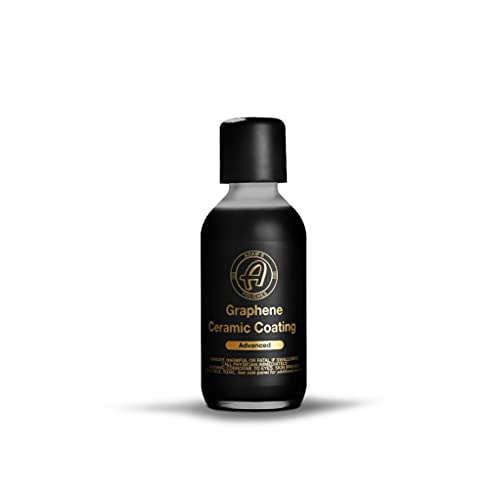
Adam’s Advanced Graphene Ceramic Coating
The longest stated durability in a small bottle
60 ml, 10H graphene with UV tracer
How to Choose
Format decides both effort and lifespan
Sprays, gels and bottled coatings are three different commitments wearing the same label. A spray goes on panel by panel and wipes off in minutes, which suits a truck that gets washed often, but the layer is thin and refresh cycles are measured in months. A gel applies like a traditional wax and sits between the two. A bottled coating is a measured, section-by-section install with flash timing and curing rules, and in return the listings for that format state durability in years. Choose the format first; brand comparisons only make sense inside one format.
Match bottle size to truck surface area
Coverage math changes on a truck. A regular cab short bed is close to a large SUV, but a crew cab long bed adds a second set of doors, a taller hood and eight feet of bed side on each flank. The bottled kits below hold 30 ml and 60 ml, and one listing notes roughly 15 ml per coat for an average car, so a big truck can consume most of a small bottle in a single vehicle. The 16 and 22 fluid ounce sprays remove that worry and leave enough product for a second coat or a mid-season refresh.
Check which surfaces the listing actually names
Truck owners rarely stop at paint. Running boards, plastic fender flares, chrome bumpers, wheels and glass all take the same weather, and not every coating is listed for all of them. Some listings below name glass, plastic, rubber trim and chrome alongside paint; others are paint-first products with narrower stated surfaces. Read the surface list on the exact listing before ordering, because applying a paint-only coating to textured plastic trim is a common way to end up with uneven, chalky-looking flares that are hard to correct afterwards.
Plan the prep and the curing window
Every coating here assumes clean, dry paint, and the bottled kits assume more: a wash, decontamination, and a cool panel out of direct sun, with an application temperature range printed on one listing of 40 to 100 degrees Fahrenheit. Flash times on a bottled coating can be two to five minutes, which is manageable on a car door and demanding across a long bed side. If your only workspace is a sunny driveway, a forgiving spray or gel is the realistic pick; if you have a garage and a free day, the bottled options open up.
This is the low-friction entry point for a truck that works for a living. The listing names trucks directly among its vehicles, the spray format needs no applicator technique beyond spraying a panel and wiping it down, and a 16 ounce bottle holds enough product to coat a full-size pickup and come back for a second layer. It suits owners who would rather reapply a simple spray a few times a year than spend a weekend on a bottled install, and it layers well as a maintenance topper over an existing coating.
one bottle that covers a whole truck, trim and wheels included.
Watch out for
the ingredient list on the listing includes modified carnauba wax, so treat it as a ceramic spray wax that needs periodic reapplication, not as a bottled true coating.
The 22 ounce bottle is the largest in this roundup, and on a crew cab long bed that volume is the point: there is enough spray to cover the paint and still handle the wheels, plastic trim and chrome in the same session. The listing names cars, trucks and RVs, and its surface list is the broadest here, which makes it a practical single-bottle answer for trucks with mixed exterior materials. It behaves like a spray wax with ceramic chemistry, so application is a quick spray and wipe with no flash timing to manage.
HydroSlick is the pick for owners who trust their hands more than a spray trigger. It is an SiO2 gel that goes on with an applicator like a traditional wax, by hand or by machine, then cures briefly and buffs off, which makes it easier to lay an even layer across a tall, flat truck hood than a misted spray. The listing states up to one year of durable protection and names a wide surface range, and the 16 ounce container goes a long way because the gel is dosed in small dots on the applicator rather than sprayed freely.
a garaged truck and an owner willing to do full prep for a long-term coating.
Watch out for
30 ml is sized around one average vehicle at roughly 15 ml per coat per the listing, so a crew cab long bed may need the whole bottle for a single coat.
This is the committed install: a true bottled quartz coating in a 30 ml kit with an applicator block, suede applicators and a leveling towel in the box. The listing publishes its chemistry — 70 percent SiO2 at 99.9 percent purity — and states that it bonds to paint, glass, metal and plastic, which covers most of a truck’s exterior in one system. It suits a garaged truck whose owner will spend a day on washing, decontamination and a careful section-by-section application in exchange for a coating measured in years rather than months.
maximum stated durability and a way to verify coverage on big dark panels.
Watch out for
checking the UV tracer properly means working with a UV light in low ambient light, and the prep standard is the same full wash and decontamination as any bottled coating.
The Adam’s bottle is the other true coating here, built on graphene ceramic chemistry with a 10H hardness designation and the longest durability figure stated on any of these listings, at more than nine years. Its distinguishing feature is the patented UV tracer technology: the coating glows under a UV light, so missed spots on a large, dark truck panel show up during the install instead of after it. The 60 ml bottle holds roughly double the CQuartz kit, which matters on a full-size truck, and the listing covers paint, glass, wheels and trim.
Which One Fits Your Situation
Your truck works daily and parks outside
Pick the Turtle Wax spray. Outdoor parking and jobsite dust shorten any coating’s life, so the winning move is a product cheap in effort that you will actually reapply: wash the truck, spray a panel at a time, wipe it down, and repeat the routine a few times a year rather than mourning a bottled coating that degrades in the same weather.
You have a garage and one free weekend a year
Choose between the two bottled coatings. The CARPRO kit publishes its SiO2 content and includes its applicators and towel, while the Adam’s bottle doubles the volume and adds the UV tracer for checking coverage. Either way, spend the Saturday on washing and decontamination first; the coating itself is the shorter half of the job.
Your truck has lots of plastic trim and chrome
Take the Griot’s Garage spray. Its listing names plastic, rubber trim, wheels and chrome alongside paint, and the 22 ounce bottle means you will not ration product halfway down the second bed side. One bottle, one session, every exterior surface the listing covers, including the fender flares and bumpers that a paint-only coating would leave exposed to the same sun and road film.
You already enjoy hand waxing
Go with the Chemical Guys gel. It keeps the applicator-and-buff routine you already know, spreads evenly across a tall hood, and the listing’s one-year stated protection is the longest claim among the non-bottled formats here. Work in shade, keep the coats thin, and the process feels like a familiar wax day with a harder finish.
Common Mistakes
Coating over unwashed or contaminated paint, which seals grit and water spots under the layer and shortens its life from day one.
Applying a bottled coating in direct sun or on hot panels, so it flashes before you can level it and leaves streaks across large truck panels.
Doing car-sized coverage math on a crew cab long bed and running out of a 30 ml kit halfway through the vehicle.
Expecting a spray coating to last like a bottled coating, then blaming the product when beading fades after a season.
Washing with harsh detergents during the curing window instead of letting the coating finish setting as its directions state.
Frequently Asked Questions
How long does a ceramic coating last on a truck?
It depends on the format more than the brand. The spray and gel listings here talk in months, up to a stated one year for the gel, while the bottled coatings state multi-year figures on their listings. A truck parked outside in sun and road salt will land at the short end of any of those ranges.
Can one coating go on paint, glass and trim together?
Only when the listing names those surfaces. Two picks here, the Griot’s Garage spray and the CARPRO kit, list glass and plastic or trim among their surfaces, and the Adam’s listing includes glass, wheels and trim. A paint-only product used on textured plastic can dry unevenly, so match the product to the surface list, not the other way round.
Do I need to clay and polish before coating a truck?
For the bottled coatings, yes in practice: their listings assume washed, decontaminated paint, and anything left on the surface gets sealed in. The sprays and the gel are more forgiving and can go on after a thorough wash, which is exactly why they suit trucks that cannot spare a full prep day.
Is one bottle enough for a full-size pickup?
The 16 and 22 ounce sprays and the gel comfortably cover a full-size truck, with product left for a second coat. The bottled kits are tighter: one listing works on roughly 15 ml per coat for an average car, so a 30 ml kit on a crew cab long bed leaves no margin for mistakes or a second coat.
M
Melu Editorial Team
We compare specs, materials and verified owner reviews before a product earns a spot. Rankings are never paid.
Affiliate disclosure. As an Amazon Associate we earn from qualifying purchases at no extra cost to you. Prices accurate as of the date shown.
Best heavy duty trailer rims: five 15-inch wheels compared by load capacity, bolt pattern and center bore, so your trailer rolls on rims built for the load.
Best bolt on exhaust pipe kits for a no-weld exhaust build: stainless and mild steel pipe kits in 2.5 and 3 inch sizes, compared by material and gauge.
Best boat wax for saltwater 2: five waxes and polishes compared for fiberglass and gelcoat, UV defense and salt spray, so your hull stays bright all season.
Compare the best Diamond compound bows, from the wide-range Infinite 305 to the carbon Deploy SB, with draw ranges, speeds and package contents per fit.
Four hunting bow sights compared on the listing facts that decide a season: pin count and size, micro adjustment, second-axis leveling and pin brightness.
Three CPAP cleaners for home sanitization compared: a five-minute UV-C chamber and two ultrasonic tanks, with cycle times, tank sizes, and hose fit notes.


 CARPRO CQuartz UK 3.0
 Adam’s Advanced Graphene Ceramic Coating