Key takeaways
- Break them in: Wear new shoes on short walks first to find hot spots before a long hike.
- Dry properly: Remove insoles and air dry at room temperature, away from direct heat, which can damage glue and leather.
- Clean the membrane: Rinse mud off waterproof shoes, since dirt can reduce breathability.
- Know when to replace: Worn lugs, a crushed midsole or a loose upper mean reduced traction and support.
- Trail safety: Carry water, a map and a light jacket. Slippery rock is hazardous in any shoe. See a doctor or podiatrist for persistent foot or ankle pain.
For day hiking on mixed trails under $150, the Merrell Moab 3 is the all-round default, the KEEN Targhee III Waterproof suits wide feet and wet climates, the Merrell Moab Speed 2 suits hikers who want a lighter, running-influenced shoe, the Columbia Newton Ridge Plus II suits buyers who want a waterproof, mid-cut shoe at a modest budget, and the Altra Lone Peak 9 suits long-distance hikers who prefer a trail-runner style with a roomy toe box.
Our top picks


As an Amazon Associate we earn from qualifying purchases at no extra cost to you.
At a Glance: Hiking Shoes Worth Considering
| Model | Style | Stated details | Weight (approx.) | Best for | Limits |
|---|---|---|---|---|---|
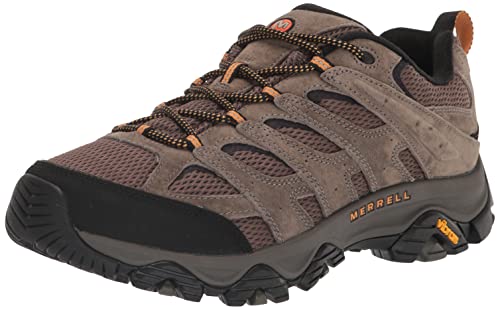
| Merrell Moab 3 | Low hiking shoe; waterproof and non-waterproof, standard and wide widths | Vibram TC5+ outsole, 5 mm lugs, 11.5 mm drop; pig suede leather and mesh upper; molded nylon arch shank; Merrell Air Cushion heel | About 460 g per shoe by the maker; pair weights differ between retailers | General day hiking | Cushioning is basic; waterproof version breathes less |
| Merrell Moab Speed 2 | Low and mid, waterproof and non-waterproof | Vibram TC5+, 4 mm lugs, 10 mm drop, FloatPro foam, FlexPlate; GTX version has a rock plate | About 13 oz (one source) | Fast hiking, light loads | Narrower than the Moab 3, per a reviewer |
| KEEN Targhee III Waterproof (low shoe) | Waterproof leather hiking shoe | KEEN.Dry membrane; oiled nubuck upper; 4 mm multidirectional lugs; dual-density EVA midsole; ESS shank; TPU heel capture | About 15.9 to 17.1 oz per shoe depending on source | Wide feet, wet trails, rough terrain | Roomy fit not suited to narrow feet; heavier |
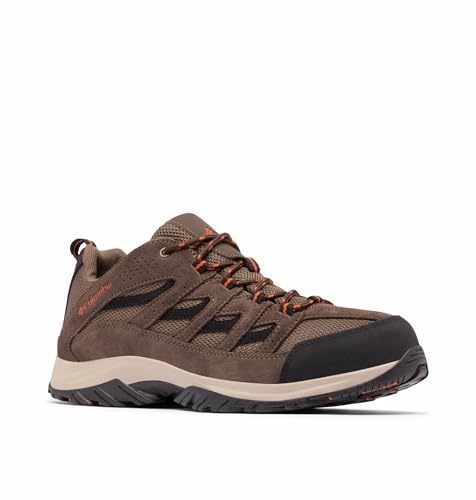
| Columbia Newton Ridge Plus II Waterproof | Mid-cut waterproof boot or shoe style | Omni-Tech seam-sealed waterproofing; Techlite midsole; Omni-Grip outsole, 5 mm lugs; PU-coated leather, suede and mesh | About 15.9 oz (452 g) per boot, men’s 9 | Budget waterproof option | Slightly narrow toe, per one roundup; no non-waterproof version |
| Altra Lone Peak 9 | Trail-runner style | Zero drop; 25 mm stack; 4.5 mm lugs; MaxTrac rubber; StoneGuard insert | About 10.5 to 11.2 oz (men’s) | Long hikes, thru-hiking, swelling feet | Little structure for heavy packs; zero drop needs adaptation |
How to Choose a Hiking Shoe
Shoe, Mid or Boot
Low shoes are lighter and cooler and suit day hikes on maintained trails with a light pack. Mid-cut versions add some ankle coverage that keeps out debris and offers a sense of support, though stiff ankle support from a mid cut is limited and varies by model. Boots suit heavier loads and rough, off-trail ground. Many day hikers now choose shoes or trail runners for comfort and weight.
Waterproof or Breathable
Waterproof membranes, such as KEEN.Dry or Columbia’s Omni-Tech, keep out rain and shallow puddles but breathe less in heat and dry slowly once water enters over the collar. Non-waterproof models, such as the standard Moab 3 and Moab Speed 2, dry faster and run cooler. Match the choice to your climate: wet, cold trails favor waterproofing; hot, dry or stream-crossing routes favor breathable shoes.
Outsole and Traction
Merrell lists Vibram TC5+ outsoles for both Moab models, with lugs of 4 to 5 mm. KEEN lists 4 mm multidirectional lugs, Columbia lists 5 mm, and Altra lists 4.5 mm. Differences in lug depth matter less than rubber compound and pattern on wet rock, so read the maker’s description and check how the shoe feels on the surfaces you hike.
Fit and Width
Fit is the biggest factor in comfort. KEEN has a roomy forefoot, with reviewers saying it is not suited to narrow feet; the Columbia is described as having a slightly narrow toe; the Merrell Moab 3 is offered in standard and wide widths; the Altra is known for its foot-shaped toe box. Try on shoes late in the day, with hiking socks, and leave space for toes on descents. Replace insoles if you use custom orthotics, following your podiatrist’s advice.
Cushioning and Support
Drop and midsole matter on long days. The Moab 3 lists an 11.5 mm drop and the Moab Speed 2 lists 10 mm, while the Altra is zero drop. A shank or plate, like the Moab 3’s molded nylon arch shank or the KEEN’s ESS shank, adds underfoot support on rocky ground.
Model Notes
Merrell Moab 3
Merrell lists a Vibram TC5+ outsole formulated for Merrell, 5 mm lugs, an 11.5 mm drop and about 460 g per shoe. The upper is pig suede leather and breathable mesh, with a molded nylon arch shank, a Merrell Air Cushion heel and a Super Rebound midsole compound. It comes in waterproof and non-waterproof versions, in standard and wide widths. Listed pair weights differ between retailers, so rely on the maker’s per-shoe figure. It is a straightforward, well-known shoe that works for most casual and moderate hiking.
Merrell Moab Speed 2
A lighter and more athletic cousin. It lists a 10 mm drop, 4 mm lugs, a FloatPro foam midsole, FlexPlate torsional rigidity and Vibram TC5+ rubber, with low and mid versions in waterproof and non-waterproof options. A reviewer measured a pair weight near 1.89 lb in a large size and notes it is narrower than the classic Moab. The GTX version adds a rock plate. It suits fast hiking and mixed hike-run days.
KEEN Targhee III Waterproof
The low shoe has a KEEN.Dry membrane, an oiled nubuck leather upper, a dual-density EVA midsole, an ESS shank and an injected TPU heel capture system. The outsole has 4 mm multidirectional lugs. Weights differ: one retailer lists about 1 lb 14.8 oz per pair, other listings give about 15.9 oz per shoe, and a lab measured 17.1 oz. It is a sturdy choice for wide feet and wet conditions, but not for narrow feet.
Columbia Newton Ridge Plus II Waterproof
The upper combines PU-coated leather, suede and mesh with seam-sealed Omni-Tech waterproofing and a Techlite midsole. The Omni-Grip outsole has 5 mm lugs and the weight is listed at about 452 g per boot in men’s 9. Check the height when comparing, since it is often sold as a mid-cut boot while others here are low shoes.
Altra Lone Peak 9
A trail runner many reviewers describe as a thru-hiker standard. It has 25 mm stack, zero drop, 4.5 mm lugs, a MaxTrac outsole, firm EGO foam and a StoneGuard insert. It is lighter than the others and has a roomy toe box, but offers less structure for heavy packs.
Pick X If… Decision Table
| If this is you | Consider | Why |
|---|---|---|
| You want one dependable hiking shoe | Merrell Moab 3 | Vibram sole, wide sizes offered |
| You hike in wet, rough conditions | KEEN Targhee III Waterproof | Membrane, protective build, roomy fit |
| You want lightness and speed | Merrell Moab Speed 2 | FloatPro foam, lighter |
| You want a waterproof budget option | Columbia Newton Ridge Plus II | Seam-sealed waterproofing |
| You do long mileage with a light pack | Altra Lone Peak 9 | Light, roomy toe box |
Budget Tiers Under $150
Budget tier: Waterproof and non-waterproof entry shoes such as the Columbia and the Merrell Moab 3.
Mid-range tier: The KEEN Targhee III, the Moab Speed 2 and the Altra Lone Peak 9, which can sit nearer the top of the cap depending on the seller.
Premium tier: Leather boots and membrane boots with stiffer soles for heavy loads generally exceed the cap.
Care and Safety Notes
- Break them in: Wear new shoes on short walks first to find hot spots before a long hike.
- Dry properly: Remove insoles and air dry at room temperature, away from direct heat, which can damage glue and leather.
- Clean the membrane: Rinse mud off waterproof shoes, since dirt can reduce breathability.
- Know when to replace: Worn lugs, a crushed midsole or a loose upper mean reduced traction and support.
- Trail safety: Carry water, a map and a light jacket. Slippery rock is hazardous in any shoe. See a doctor or podiatrist for persistent foot or ankle pain.
Alternatives to Consider
- Trail running shoes: Lighter and more flexible for fast hikes.
- Hiking boots: For heavy loads and very rough terrain.
- Hiking sandals: For warm weather and stream crossings.
- Approach shoes: If your trails include scrambling.
Frequently Asked Questions
Are waterproof hiking shoes worth it?
They help in rain and wet grass, but they breathe less and dry slowly once water gets in. For hot or stream-heavy hikes, a breathable shoe may be more comfortable.
Merrell Moab 3 or Moab Speed 2?
The Moab 3 is the classic with a wider fit and more traditional structure. The Moab Speed 2 is lighter with FloatPro foam, and a reviewer says it is narrower. Choose by foot shape and how fast you hike.
Do I need a wide size?
If your toes feel squeezed, yes. Merrell lists wide widths for the Moab 3, and the KEEN Targhee III is described as roomy in the forefoot. Altra shoes are known for wide toe boxes.
Can I hike in trail running shoes?
Many hikers do, especially on maintained trails with light packs. The Altra Lone Peak 9 is often described as a thru-hiker shoe. With heavier packs or rugged ground, a more structured shoe may suit better.
How should hiking shoes fit?
Leave about a thumb’s width ahead of your longest toe, keep your heel from lifting and wear hiking socks while trying them on. Feet swell during the day and on long hikes, so shop in the afternoon.
How long do hiking shoes last?
It depends on use, terrain and weight carried. Replace them when lugs are worn smooth, the midsole is compressed or the upper is damaged, rather than by a fixed mileage.